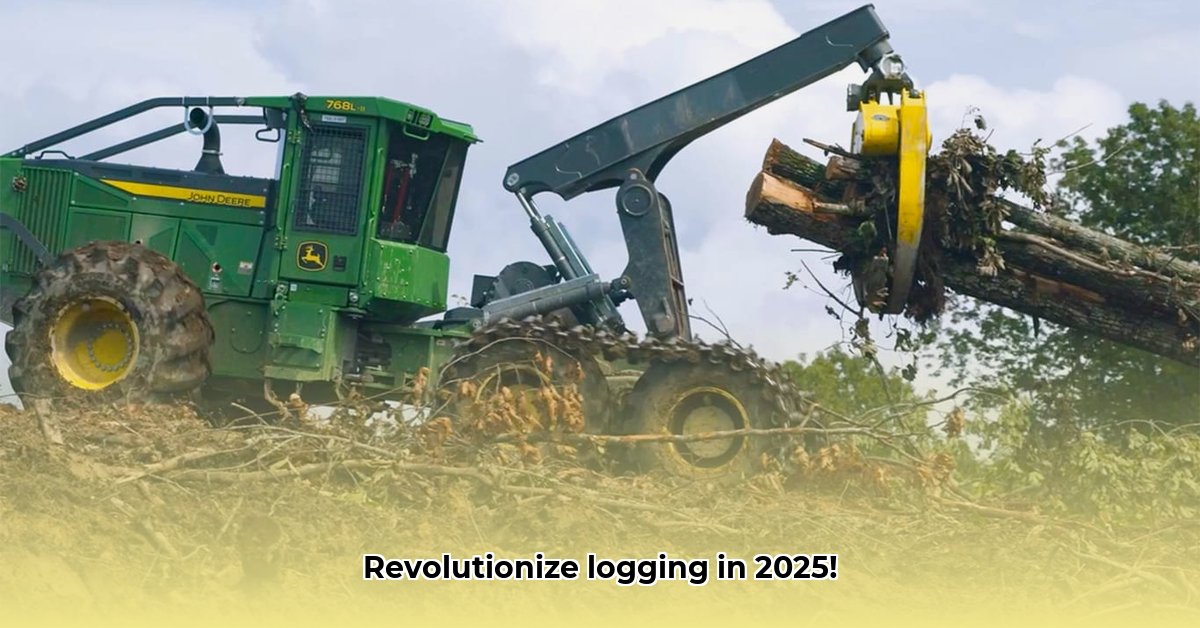
Choosing the right logging tractor can dramatically impact your operation's efficiency and profitability. This guide provides actionable intelligence to help you select, operate, and maintain your equipment for optimal performance in 2025 and beyond. To understand typical usage, check out this guide on average tractor hours.
Sizing Up Your Needs: Terrain, Trees, and Budget
Before investing in a logging tractor, thoroughly assess your operational needs. Factors like terrain, tree size, and budget will significantly influence your selection. Ignoring these crucial aspects can lead to inefficiencies and added costs. What's the average size of the trees you'll be harvesting? Are you working in flat terrain or steep slopes? What's your realistic budget, considering both the initial purchase price and ongoing maintenance? These questions are paramount in making an informed decision.
Don't underestimate the importance of operator experience. A sophisticated machine needs a skilled operator to maximize its potential. A mismatch can lead to operational bottlenecks and safety hazards. Investing in training is just as important as purchasing the right equipment.
Modern Logging Tractors: Technological Advancements
Modern logging tractors are far more advanced than their predecessors, incorporating technology to enhance efficiency and safety. Advanced traction systems provide superior handling on challenging terrain. Powerful engines ensure faster job completion, while improved braking systems and roll cages prioritize operator safety. The integration of GPS guidance systems enables greater precision in logging operations, especially crucial in uneven terrain. Furthermore, some models now feature computer-aided felling systems for more precise tree cutting. These technological advancements significantly contribute to improved productivity and reduced risk.
Technological Marvels: A Deeper Dive
- Advanced Traction Systems: These systems enhance grip on challenging terrain, minimizing slippage and maximizing productivity, even on steep slopes or wet ground.
- Powerful Engines: Modern engines deliver high horsepower and torque, enabling quick and efficient timber extraction.
- Enhanced Safety Features: ROPS (Rollover Protective Structures) and FOPS (Falling Object Protective Structures) are standard, protecting the operator from potential hazards.
- GPS Guidance Systems: Real-time positioning and guidance systems enhance precision in timber harvesting, reducing waste and damage.
- Computer-Aided Felling Systems: These systems assist in more precise tree felling, minimizing damage to surrounding trees and the environment.
Choosing Your Perfect Logging Tractor: A Step-by-Step Guide
Selecting the right logging tractor requires a systematic approach. Follow these steps to ensure you make an informed decision:
- Detailed Terrain Mapping: Carefully map your logging area, noting slopes, soft spots, and obstacles. This helps determine the necessary ground clearance, traction, and power requirements.
- Define Clear Logging Goals: Quantify your timber harvesting volume, average tree size, and overall operational scale. This dictates the power and capacity needed.
- Establish a Realistic Budget: Determine your total budget, including both initial investment and ongoing maintenance and repair costs. Explore financing options to spread out payments.
- Thorough Manufacturer Research: Investigate reputable manufacturers with a proven track record of quality and reliability.
- Comprehensive Specification Comparison: Scrutinize engine horsepower, ground clearance, towing capacity, and other crucial specifications. Compare fuel efficiency ratings to minimize operating costs.
- Obtain Multiple Quotes: Request quotes from multiple dealers to compare prices and financing options.
- Test Drive (If Feasible): If possible, test drive different models to assess their handling and operator comfort.
- Informed Final Decision: After careful consideration of all factors, make a final decision based on your operational needs and budget.
Keeping Your Logging Tractor in Top Shape: Maintenance Best Practices
Regular maintenance is critical to prevent costly breakdowns and ensure your tractor's longevity. Proactive maintenance significantly reduces downtime and extends equipment lifespan. Neglecting maintenance can lead to unexpected repairs and increased operational costs.
- Regular Visual Inspections: Conduct daily visual inspections for leaks, wear and tear, and signs of damage. Address minor issues promptly to prevent major problems.
- Consistent Lubrication: Properly lubricate all moving parts to minimize friction and extend the life of components.
- Scheduled Fluid Changes: Adhere to the manufacturer's recommendations for changing engine oil, transmission fluid, and hydraulic fluid. This is vital for optimal performance and prevents damage.
- Tire Pressure Monitoring: Maintain proper tire inflation for optimal performance, reduced wear, and increased fuel efficiency.
- Brake System Checks: Regular brake inspections are essential for safety and to prevent costly repairs. This is a non-negotiable safety measure.
Logging Tractor Safety: Prioritizing Operator Well-being
Operator safety is paramount in logging operations. Heavy machinery presents inherent risks, so robust safety measures are crucial.
- Rigorous Pre-Operation Inspections: Always conduct a thorough pre-operation inspection to check fluids, brakes, and the overall condition of the tractor before starting any work.
- Comprehensive Operator Training: Ensure all operators receive proper training and certification on the specific tractor model. Proficient operation is directly linked to safety and efficiency.
- Mandatory Personal Protective Equipment (PPE): Always use appropriate PPE, including safety glasses, gloves, hearing protection, and sturdy footwear.
- Continuous Situational Awareness: Operators must maintain a constant awareness of their surroundings to avoid hazards and ensure the safety of themselves and others.
- Established Emergency Procedures: Develop and communicate clear emergency procedures to all operators. Everyone must know how to respond in various emergency situations.
Logging Tractor Technology: Future Trends and Innovations
The logging industry is experiencing rapid technological advancements. Telematics systems offer real-time data on tractor location, performance, and other crucial parameters. This data helps optimize operations and improve efficiency. There’s a growing emphasis on sustainability, driving the development of more fuel-efficient machines and exploring electric or hybrid options. Autonomous systems are also under development, promising to revolutionize logging in the years to come. These advancements offer increased productivity and sustainability.
- Telematics for Enhanced Monitoring: Real-time data on tractor performance and location allows for proactive maintenance and optimized workflows.
- Sustainable Solutions: Fuel-efficient engines and explorations into electric/hybrid options reduce environmental impact.
- Automation's Potential: Ongoing development of autonomous systems promises to streamline logging operations and increase efficiency.
Weighing the Pros and Cons: Is a Logging Tractor Right for You?
Before investing, carefully weigh the advantages and disadvantages of logging tractors:
| Advantages | Disadvantages |
|---|---|
| Increased Productivity and Efficiency | High Initial Investment Cost |
| Versatility in Terrain Handling | Requires Skilled and Trained Operators |
| Enhanced Safety Features | Regular Maintenance and Repair Costs |
| Improved Precision in Timber Harvesting | Potential Environmental Impact (Fuel Consumption) |
This comprehensive guide provides essential information for selecting, operating, and maintaining a logging tractor. Remember, prioritizing safety and adopting best practices are essential for maximizing efficiency and ensuring a sustainable logging operation.